
News Article
Longer Lengths, Fewer Seams: Why 16-Foot Alder Changes the Game
May 18, 2026Patrick Lumber Company (PLC) is focused on improving efficiency across the manufacturing process. In the summer of 2025, that effort took a practical step forward with the introduction of 16-foot, longer-length alder — surpassing the long-standing 12-foot industry standard. While the change may seem subtle, the benefits extend across manufacturing and design, creating new applications for alder.
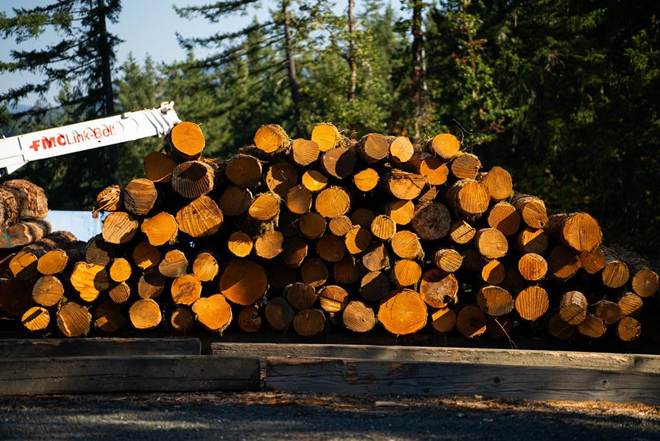
For years, that 12-foot limit has defined how alder is used. From doors and millwork to flooring and furniture, manufacturers have designed around length constraints, often piecing together multiple boards to achieve longer components like stiles and rails. “Longer-length alder helps streamline production while delivering a more consistent finished product,” says Kalayna Crook, Trader at PLC. “Each additional joint means more labor, more glue, and more opportunities for variation or visible seams in the finished product.”
By producing alder in 16-foot lengths, many of those constraints begin to fall away. Instead of building length through finger joints and glue lines, manufacturers can start with longer, more complete pieces. “Moving to 16-foot alder has made a noticeable difference in how efficiently we can run material through production,” explains Crook. “With fewer joints and longer lengths, we’re able to reduce steps in the process and improve consistency from start to finish.”
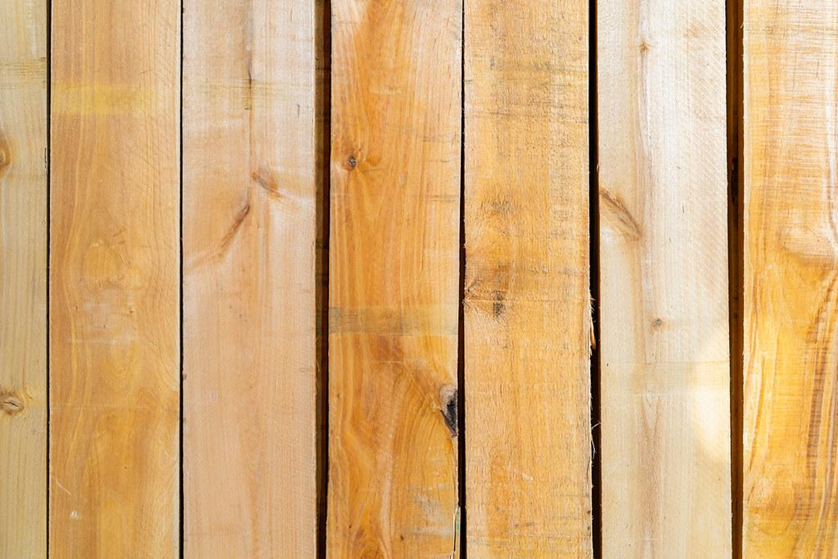
Producing alder in longer lengths creates a clear advantage in material efficiency. The impact is immediate, both in production and in the finished product. Fewer joints mean fewer interruptions in the grain, resulting in a cleaner, more continuous appearance. For painted applications, that translates to smoother, more uniform finishes. For stained or clear-grade work, it allows the wood’s natural character to carry through without disruption.
Longer boards make it easier to plan cuts that maximize each piece, reducing waste and improving overall yield. Instead of working around limitations, manufacturers have greater flexibility to optimize each board’s structure.
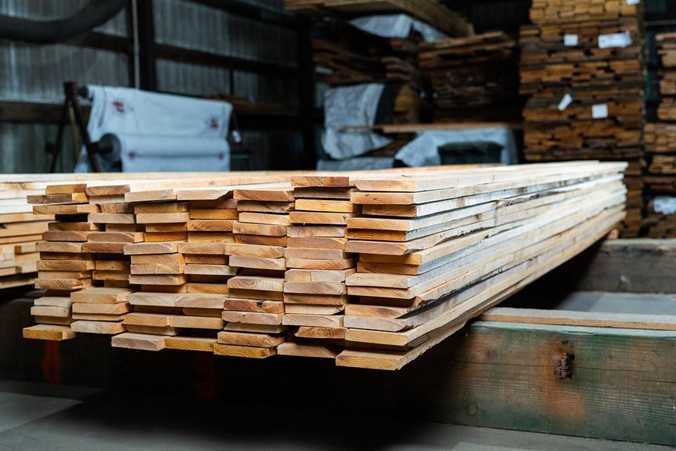
Beyond efficiency, the shift opens up new possibilities in design. Taller doors, wider panels, and longer uninterrupted runs become easier to produce without relying on multiple joined parts. It’s not a dramatic reinvention, but it is a meaningful evolution in how alder can be applied.
“Alder has always been one of the most versatile hardwoods in the Pacific Northwest. What’s changing isn’t the material — it’s what we’re able to do with it,” says Crook.
For more information, visit www.patlbr.com

