
News Article
How a Lumber Company Survives a Century
May 27, 2026One hundred and eleven years is an almost impossible run in any industry, but in lumber it’s rarer still. When markets cycle, species become scarce, and entire business models are rendered obsolete by a subtle shift in supply or demand, it forces us to evaluate which traits have equipped Patrick Lumber Company to not only last but also thrive for more than a century.
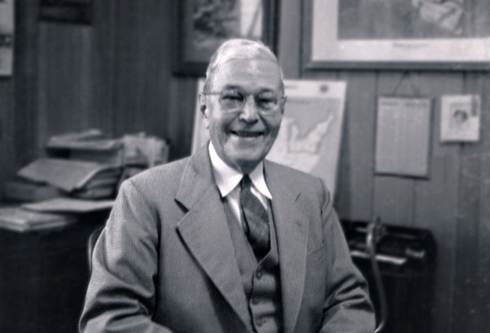
When Charles C. “Charlie” Patrick founded Patrick Lumber Company in 1915, he’d collected ample experience from years spent working in Oregon lumber operations. But he also developed a meaningful belief that trust is a necessary precursor to transactions. Charlie’s early executive team, stocked with lumber experts and friends, learned quickly that maintaining close relationships with distributors meant not just listening to them, but learning from them. They kept an eye on industry lulls and waves and shaped their business to meet emerging demands. Over time, Patrick Lumber Company supplied railroads, expanded into global export markets, crossed $100 million in sales, and welcomed new generations of leadership.
As our company adapted, we also developed an instinct to move toward opportunity rather than away from it. So ten years ago, we purchased land in Philomath where the old Mary’s River Mill once stood. Shortly after, we launched Patrick Lumber Manufacturing and established deeper roots in our industry, the lumber community, and our longest-standing partner: forests.
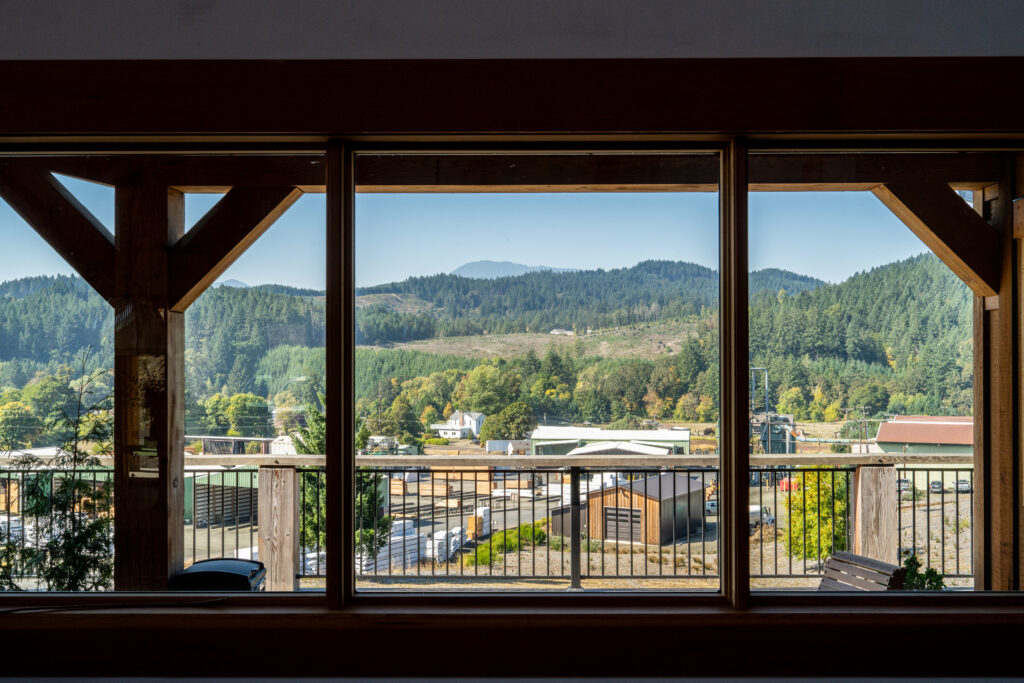
For 111 years, the health of the forest and the health of this company have been inseparable. It’s baked into our business model because we know well that respecting forests is equally imperative to our long-term success as building trust is with our customers and community. That’s why, when we noticed neighboring hardwoods like bigleaf maple, golden chinquapin, and Oregon ash being chipped into pulp, burned, or left to rot, we launched Patrick Hardwoods. We seized the opportunity to do right by our customers and by our forests.
This respect for our roots is also why we planted 500 Oregon White Oak seedlings on the hillside above Timber Hall earlier this year, trees that won’t reach maturity for 50 years. “The vast majority of our team won’t see these trees reach maturity, but if we’ve learned anything in the last 111 years, it’s that success demands patience and teamwork,” says Chelsea Zuccato, Patrick Lumber’s vice president of sales and marketing. “Building a sustainable business, trusted partnerships, and healthy forests all take time, but we’re committed to them all.”
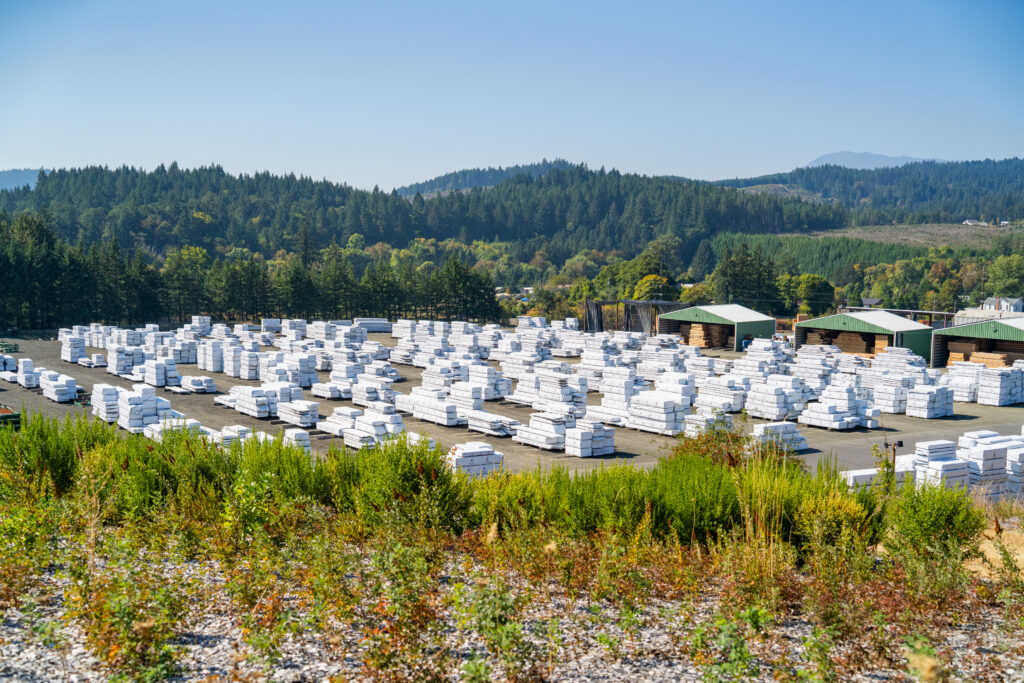
A lot has changed since Charlie’s early days in the business, but the willingness to adapt, invest in relationships, and treat forests as partners rather than resources has never wavered. Those traits have carried us through a century of business, and we believe they’re the same ones that will support us in the next century.

