
News Article
How Wide-Width Alder Streamlines Manufacturing
June 15, 2026Patrick Lumber Company (PLC) continues to expand its alder hardwood product offerings with the introduction of wide width alder. Following the success of its longer-length alder products, which help manufacturers reduce labor and improve production efficiency, the company is now seeing similar advantages from a different dimension: width. Wide alder offers greater flexibility, improved yield, and fewer manufacturing limitations while meeting growing demand for high-quality, speciality products.
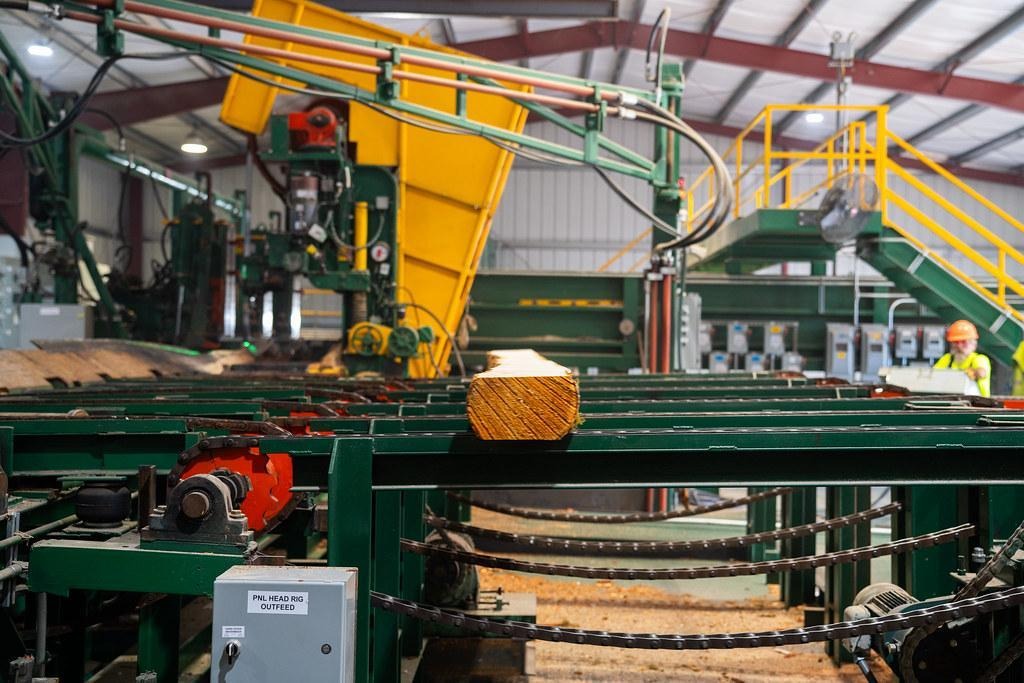
The wide alder product is helping manufacturers improve yield and reduce the labor-intensive gluing processes. As with longer-length alder, the result is a cleaner, more seamless finished product, making it an increasingly attractive option for millwork, cabinetry, doors, and other applications.
“While longer boards help minimize end joints, wider boards help reduce glue lines, delivering many of the same manufacturing and appearance benefits that have made longer-length alder a valuable option for customers,” says Kalayna Crook, Trader at PLC.
One of the primary advantages of wide alder is its ability to reduce the need for edge-gluing. Manufacturers often rely on multiple narrower boards to create wider panels, doors, moldings, and millwork components. A twelve-inch panel, for example, may require joining two six-inch boards together before additional processing can begin.Wider boards can eliminate that extra step while reducing the need to color and grain match multiple pieces, resulting in a cleaner, more consistent appearance.
“Wide alder allows manufacturers to start with a single piece instead, eliminating steps and reducing labor throughout production,” says Crook.
Wide alder also creates more flexibility for designers and manufacturers. Larger boards provide additional options when laying out components, matching grain patterns, or producing custom sizes.
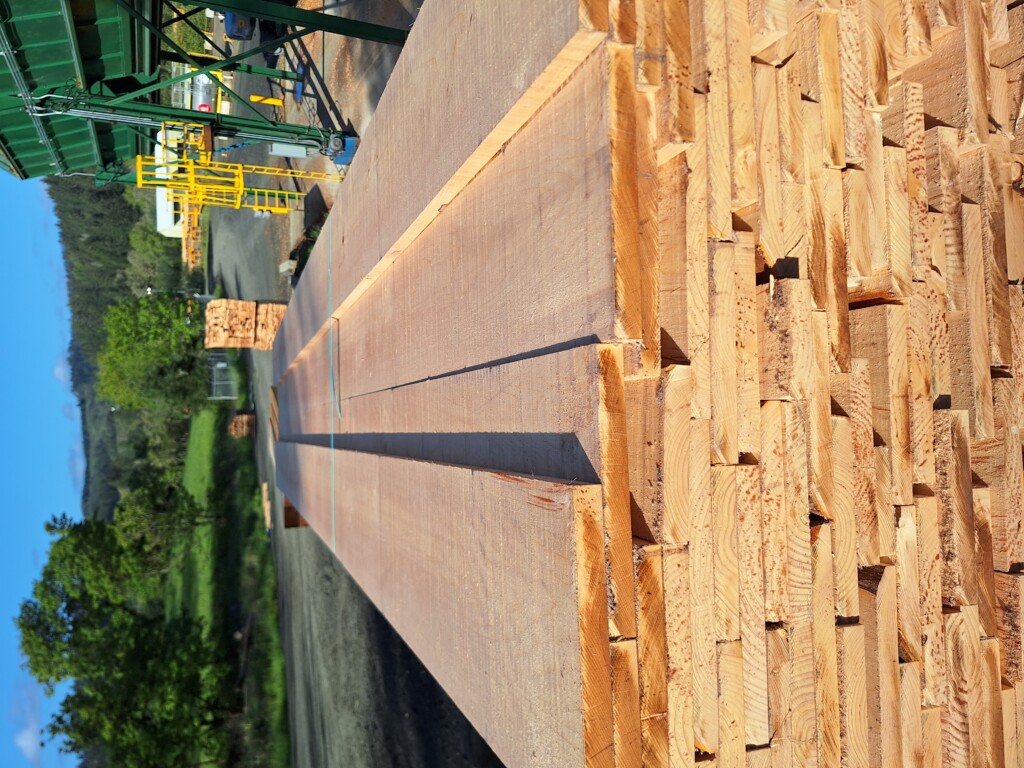
Demand for wide alder has exceeded expectations since its introduction, particularly for the widest dimensions. While alder remains a preferred species for many interior applications due to its workability, appearance, and finishing characteristics, wider widths have historically been difficult to source.
“The combination of limited availability and growing demand has made wide alder an increasingly valuable option for manufacturers looking to streamline production and elevate finished products,” says Crook.
Producing wider lumber also reflects Patrick Lumber’s commitment to maximizing the value of available timber resources. By utilizing larger-diameter logs and optimizing mill operations, the company has expanded its alder product offerings while creating a solution that addresses a real need in the marketplace.
As manufacturers continue looking for ways to reduce labor and simplify production, wide alder offers a practical solution. By providing wider boards, fewer glue lines, and more design flexibility, PLC is helping manufacturers achieve more with every piece of lumber.
For more information, visit www.patlbr.com.

